
Managing a rental property from another city or country
For owners in Canada and the US whose rental is a long drive or a flight away. What you can handle from anywhere, what needs someone nearby, what needs someone at the door, and the tax rules for owners who move abroad.
Owning a rental from far away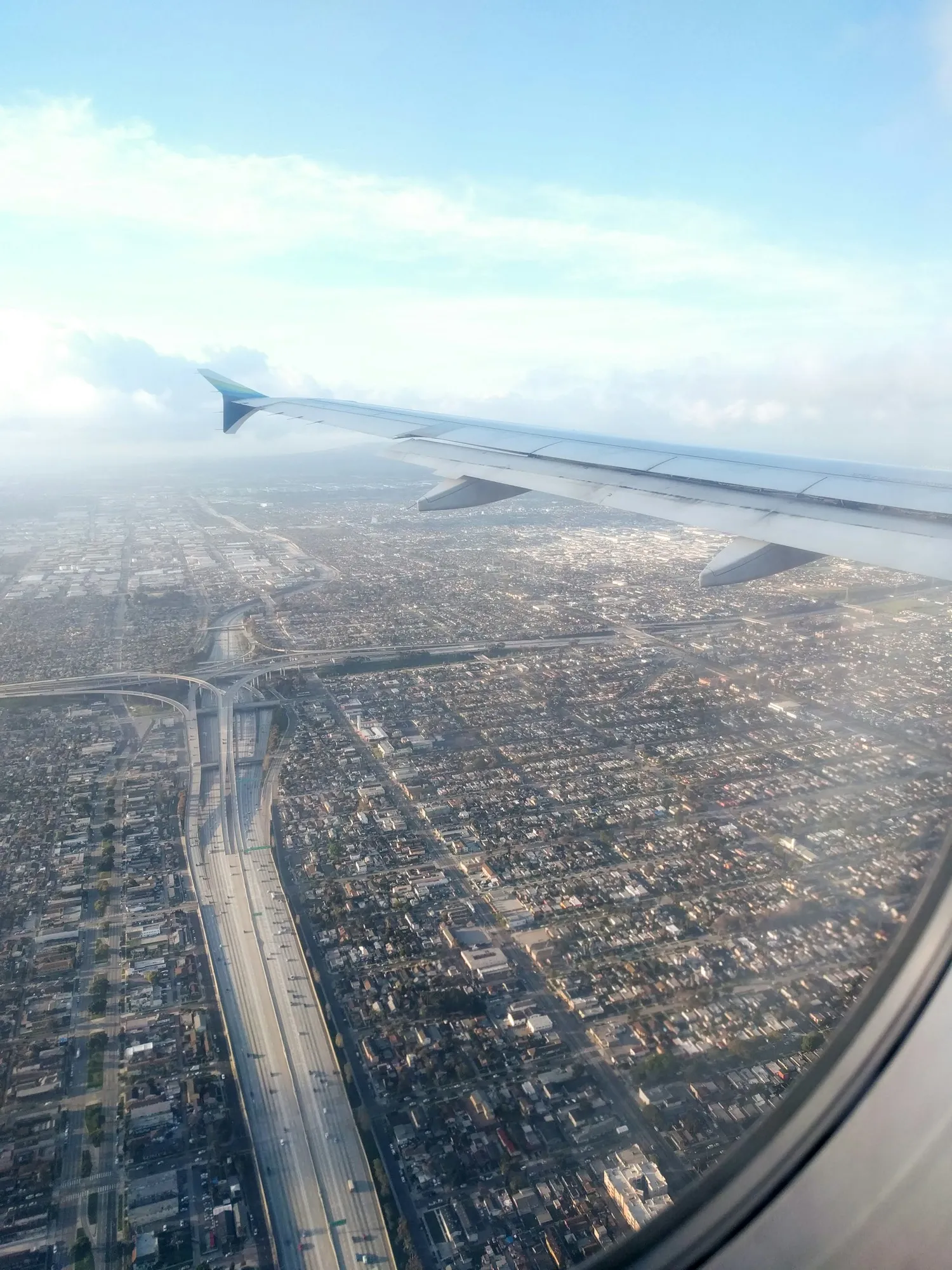
This guide is for owners in Canada and the US whose rental is somewhere they don’t live: a few hours’ drive away, across the country, or in another country altogether. Most of what managing a rental involves can be done from anywhere now. Rent, messages, renewals, approvals and the books are all online. What can’t be done from far away is being at the door, and that’s what decides how it goes. So the question to plan around is who will be there when someone needs to be.
A good way to plan it is to sort the work by how close someone has to be to do it.
What you can do from anywhere
A lot of the job never needed you to be nearby.
- Collecting rent, ideally by pre-authorized debit or an online payment the tenant sets up once
- Answering residents’ messages and approving repairs
- Advertising the home, answering inquiries and screening applicants
- Signing leases and renewals online
- Keeping the books, paying the bills and filing taxes
- Talking to the property manager or local contact, if you have one
None of these change much whether you’re twenty minutes or twenty hours away. The main risk is time zones. A resident who texts at 9pm about a leak doesn’t know it’s 3am where you are, so whoever answers first needs to be awake when they are.
What needs someone nearby
Some work needs a person in the area, but not at a moment’s notice.
- Showings, unless they’re self-guided
- Move-in and move-out inspections, with photos
- Routine inspections during the tenancy
- Meeting a contractor for a quote or checking finished work
- Seasonal jobs, like gutters, furnace servicing and winter preparation
For an owner a few hours away, this is often the deciding stretch. A move-out inspection, a turnover and a dozen showings can fill several weekends in a row. Owners who manage from a distance usually either batch this work into a few planned trips or pay someone local to do it, such as a leasing agent for showings and an inspector or handyperson for the rest.
What needs someone at the door, now
Then there’s the short list of things that can’t wait for a trip.
- A leak, a flood or no heat in winter
- A resident locked out, or a lock that won’t secure the door
- A smoke alarm or carbon monoxide alarm going off
- Police, fire or a city inspector needing access
This is the part a distant owner can’t cover alone. In some places it’s also expected by law: in British Columbia, for example, landlords must give residents an emergency contact. At minimum, you need a local person with a key and the trust to let a trade in, and a plumber, an HVAC company and a locksmith who know the property. What counts as an emergency repair goes through how to tell what needs someone now.
If you move to another country
Living abroad adds a tax step that catches many owners out.
In Canada, if you become a non-resident, 25 percent of the gross rent has to be withheld and sent to the Canada Revenue Agency each month, usually by your property manager or another agent in Canada. You can apply with Form NR6 to have tax withheld on your net rental income instead, after expenses, which is usually much less. If you do, you must file a section 216 return every year, generally by June 30, or you owe tax on the gross rent after all.
The US has its own version. Rent paid to a nonresident owner is generally subject to 30 percent withholding on the gross amount unless the owner chooses to be taxed on net income instead, as IRS Publication 519 explains. In both countries, talk to an accountant before you move, not after the first year’s rent has gone out.
Choosing how to cover it
How far you are tends to decide the setup.
Owners an hour or two away often manage themselves, with a local contact for keys and emergencies and a few trades they trust. It works well as long as that contact is reliable and the tenancy is settled.
Owners further away, or with a turnover coming, often hire a manager for leasing only, then manage the rest themselves. Is a property manager worth it for one rental works through the numbers.
Owners in another country usually hire a full-service manager. The day-to-day is hard to cover from abroad, and in Canada a manager acting as your agent also takes care of the non-resident withholding each month.
Before you leave
Whatever setup you choose, a few things are worth doing before you’re far away. Walk the home and photograph its condition. Put every key, code and warranty in one place your local contact can reach. Set up rent so it doesn’t depend on you. Introduce your local contact to the residents, and give them the number to call. And if you’re moving abroad, sort out the tax side first.
If you’d like a manager to look after the home while you’re away, we can help.
Tuze makes the software property managers use to run their business, from leasing and rent to AI teammates that answer residents in minutes, at any hour. For an owner far from home, that means a leak at 9pm gets answered, even when it’s 3am where you are.
Through Find a property manager, we’ll introduce you to a trusted manager near your rental who runs on Tuze.
General information, not legal advice. Rules change, so check the current rules where your homes are.