
Mould in a rental home, who's responsible and how to fix it
For landlords and property managers in Canada and the US. How to tell whether mould comes from condensation or a leak, what each one needs, who usually fixes what, and what to write down, worked through three different reports.
Running rental homes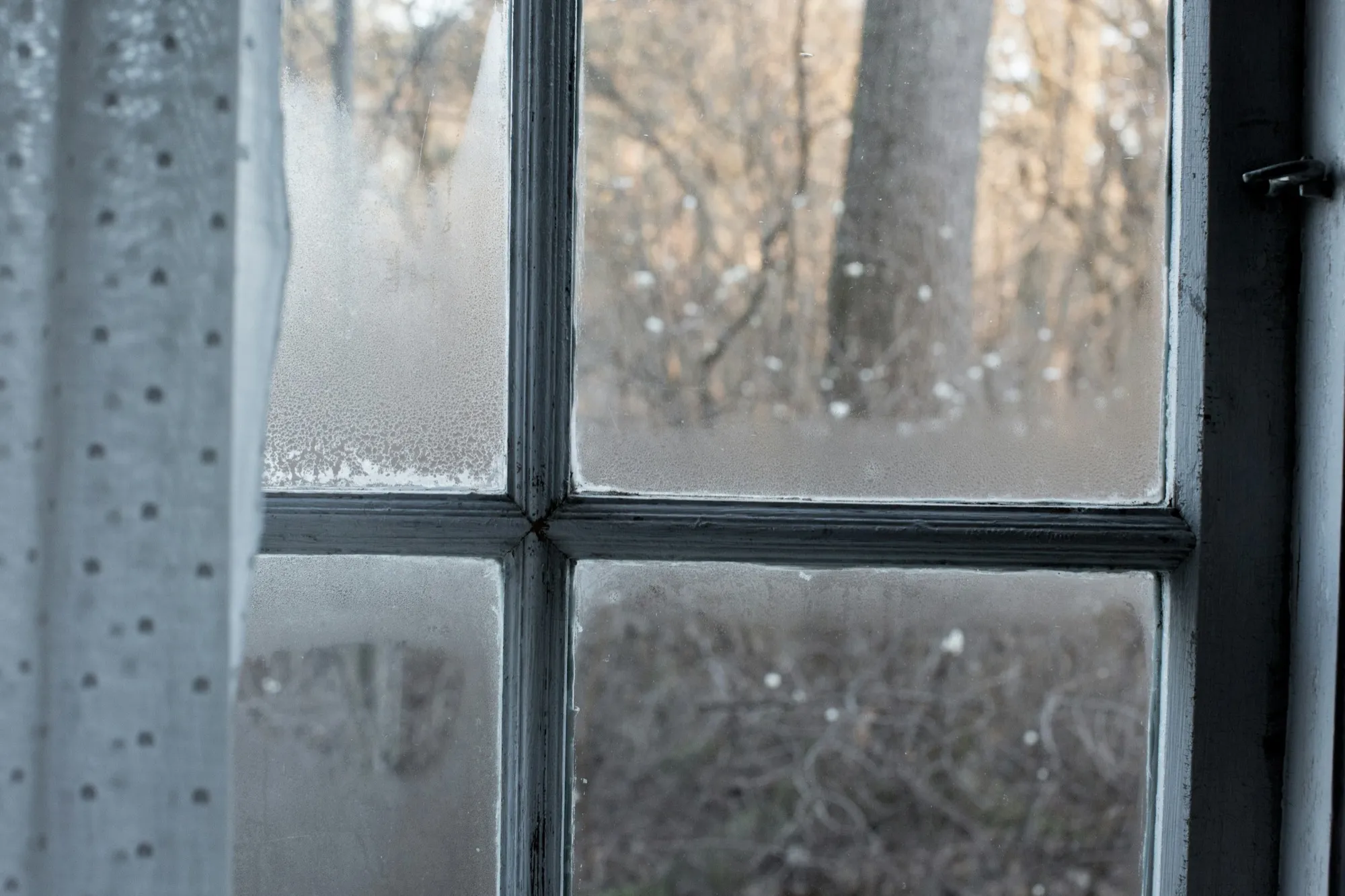
This guide is for landlords and property managers in Canada and the US who’ve just had a report of mould. Mould grows where there’s moisture, so the first job is finding where the moisture comes from. In most rental homes it’s one of two things: condensation, when warm, damp air meets a cold surface, or a leak, when water gets in from a pipe, the roof or a window. Cleaning only the surface fixes neither, and the mould comes back. The cause also decides most of who fixes what.
Three reports from the same building show how to read the clues. The details are illustrative.
Report one: the bedroom window
There’s black mould around the bedroom window and in the corner behind the bed. It came back after I cleaned it.
It’s January. The mould is on the window frame, in the corner where two outside walls meet and on the wall behind the headboard. The window has water running down the inside of the glass in the morning.
Each of those clues points to condensation. Mould from condensation shows up on the coldest surfaces in a room: glass, frames, outside corners and walls with furniture pushed against them, where air doesn’t move. It gets worse in winter, when the gap between inside and outside temperatures is largest. Spots on several cold surfaces at once, rather than one patch, is the strongest sign.
The fix is less moisture in the air and more air moving. Check that the bathroom and kitchen fans work and vent outside, and that the window has trickle vents if it was made with them. Then talk to the resident about what makes moisture, such as showers, cooking and drying laundry indoors, and what helps: running the fan, opening the window for a few minutes each day and leaving a gap between furniture and outside walls. A small dehumidifier can make a large difference in a damp bedroom.
If the fans don’t work, that’s the landlord’s to fix, and it may be most of the problem. If the home is well ventilated and the mould comes from how it’s being lived in, responsibility may be shared, which is why the conversation and a written note of what you checked both help.
Report two: the bathroom ceiling
There’s a brown stain on the bathroom ceiling, and now it’s going black.
The stain is round, about the size of a dinner plate, darker at the edges. The bathroom fan works. The unit above has its bathroom in the same spot.
This one points to a leak. A single patch that grows outward, under a bathroom, kitchen or roof, with a tide line at the edge, is water coming through from somewhere. A moisture meter on the ceiling will usually read high whatever the weather or the time of day, which condensation wouldn’t.
Look upstairs first. A failed seal around the tub or toilet, or a slow drip from a supply line, is a common cause. Once the leak is fixed, the wet drywall usually needs to come out, because mould inside a wall or ceiling keeps growing after the surface is painted over. This is the landlord’s to fix, and quickly, before the damage spreads to the framing.
Report three: the basement
The basement storage room smells musty, and there’s white fuzz on the bottom of the wall.
Below grade, both causes can be at work. Damp ground pushes moisture through foundation walls, and cool basement walls collect condensation from warm air. White, powdery deposits on concrete can also be efflorescence, salt left behind by water moving through the wall, which isn’t mould but does show the wall is wet.
Check outside before inside. Downspouts that empty next to the foundation and ground that slopes toward the house are common and cheap to fix. Inside, a dehumidifier set to around 50% humidity helps, and anything stored against the wall, especially cardboard, should be moved away from it. Water coming through the wall is a building problem and the landlord’s to fix.
Cleaning it
On hard surfaces, small areas can usually be cleaned with soap and water and then dried well. The US EPA suggests that areas over about 10 square feet may need a professional, and so does anything inside walls or in heating and cooling ducts. Soft materials that have grown mould, such as ceiling tiles, carpet and drywall, usually need to be removed rather than cleaned. Painting over mould without fixing the moisture only hides it for a while.
If a resident has asthma or another health condition, or is pregnant, move faster, and consider a professional even for a smaller area.
Who’s responsible
Across Canada and the US, landlords are generally required to keep a rental in good repair and fit to live in, and that covers leaks, broken fans, damaged walls and other building causes. Residents are generally responsible for reporting problems promptly and for damage they cause, which can include mould from ignoring a leak they knew about or blocking ventilation. The exact rules, and how a tribunal or court weighs a shared cause, depend on the province or state.
A tenant who reports mould in good faith shouldn’t hear back that it’s their fault before anyone has looked. Going to see it, finding the cause and explaining what you found is the fastest way to fix it and to keep the resident on side.
What to write down
For each report, keep a short record: the date it was reported, photos with something for scale, where the mould is, moisture meter readings, what you think the cause is and why, what was fixed and by whom, and what you told the resident. If the mould comes back, or the question of who pays comes up at move-out, that record is what you’ll rely on. What counts as an emergency repair in a rental home covers leaks that can’t wait until morning.
General information, not legal advice. Rules change, so check the current rules where your homes are.