
What a property management agreement should include
For rental property owners in Canada and the US. A sample property management agreement read clause by clause, with what each part should say and what to check before you sign.
Property management agreements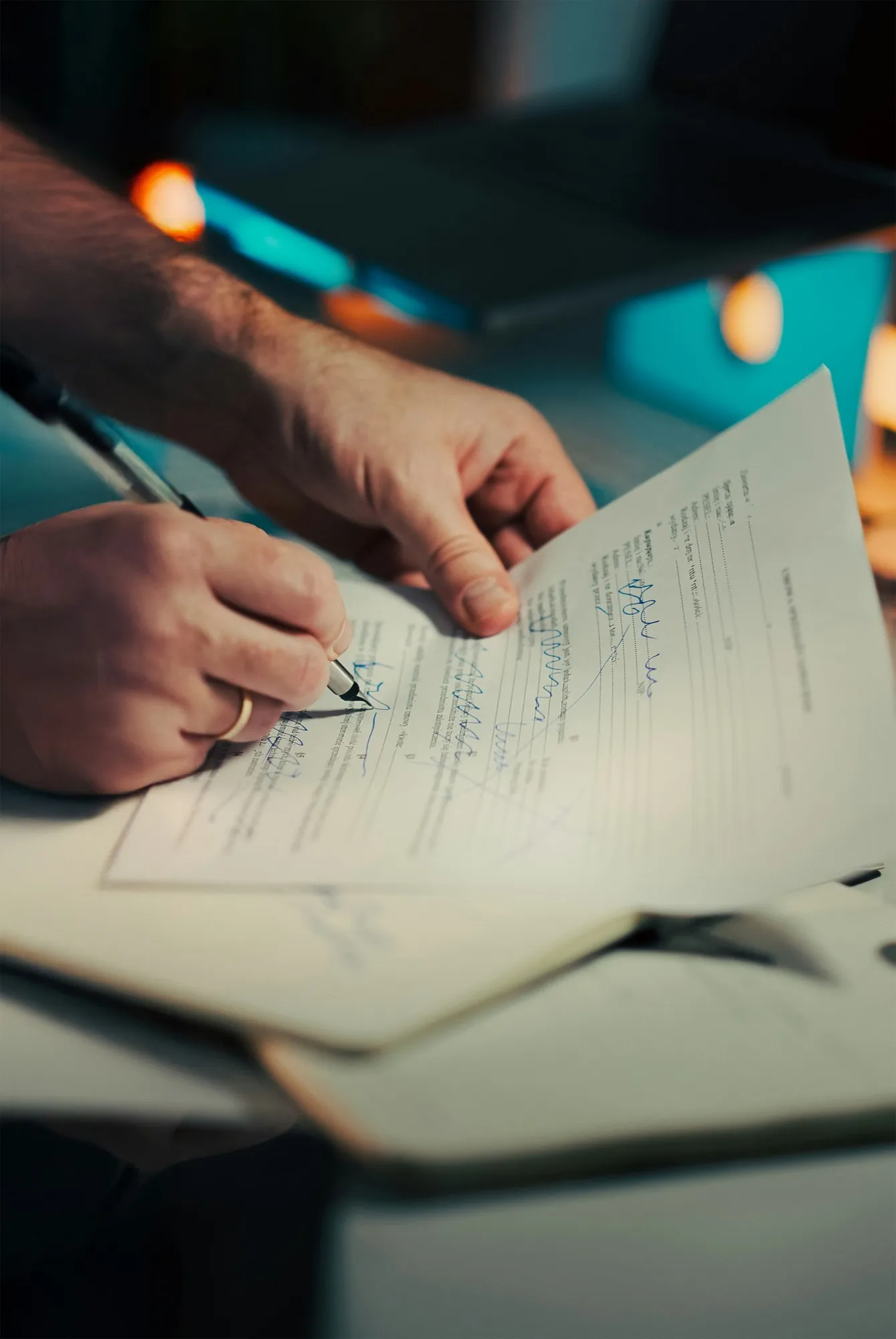
This guide is for owners of rental homes in Canada and the US who have a property management agreement in front of them, or will soon. A good agreement covers who manages what, for how long, for what fees, how money is handled, what the manager can decide without you and how either side can end it. Problems between owners and managers often start with one of those being vague.
Agreements vary a lot, and many are long. To make the important parts easier to spot, here is a sample agreement cut down to the clauses that matter most, in plain language, with notes on what each one should say and what to check. Your manager’s version will use different words, but you should be able to find each of these in it.
Who and what it covers
The Owner appoints the Manager to manage the properties listed in Schedule A. The Manager is licensed to provide property management services where the properties are located.
The agreement should name the company, not only the person you’ve been talking to, and list every property it covers, with the units if it’s a building. If you add a home later, it should be added to the list in writing.
Many US states, and provinces such as Alberta and BC, require people who manage rentals for others to be licensed. If that applies where your home is, the agreement should say who licenses the manager, and you can check the regulator’s public register.
How long it runs
This agreement starts on March 1 and continues for 12 months. It then renews month to month until either party ends it under section 10.
Look at the length and what happens at the end. A fixed first term is common. Automatic renewal for another full year, rather than month to month, is worth asking about, because it can lock you in without anyone noticing the date.
What’s included and what costs extra
The Manager will collect rent, handle maintenance requests, pay property expenses from the rent collected, send the Owner a monthly statement and serve notices on the Owner’s behalf. Services not listed here are charged as set out in Schedule B.
This is where two quotes that look alike often differ. Check that the services you care about are in the main list, and read Schedule B, or whatever your agreement calls it, for the extras. Inspections, eviction work, insurance claims and managing a major renovation are often charged separately.
Fees
The Manager’s fee is 8% of rent collected each month. The leasing fee for placing a new tenant is one month’s rent. All fees are before applicable taxes.
A few words in this clause matter more than they look.
“Rent collected” means the manager is paid only when the rent comes in. Some agreements say “rent due” or “scheduled rent” instead, which means you pay the fee even in a month the tenant doesn’t pay. A fee on rent collected keeps the manager’s interests closer to yours.
“Before applicable taxes” means GST or HST is added in Canada, and sales tax may apply in some US states. Make sure every fee in the agreement says whether tax is included.
And every fee should be in the agreement itself, including lease renewals, any markup on repair invoices and any charge for setting up a new home. What a property manager costs walks through the fees to look for and how to compare them over a year.
Repairs and emergencies
The Manager may approve repairs up to $500 per item without the Owner’s consent. Above that amount the Manager will get the Owner’s approval first, except in an emergency that threatens health, safety or the property.
The spending limit is one of the most practical numbers in the agreement. Too low, and you’ll be asked to approve every small repair. Too high, and you may hear about a large bill after it’s paid. Pick a number that fits your home and how involved you want to be.
Check how “emergency” is defined, and that the manager has to tell you about emergency spending promptly. If the manager uses its own maintenance staff or adds a markup to vendor invoices, that should be written here too.
Money: rent, deposits and when you’re paid
Rent and security deposits are held in the Manager’s trust account. The Manager keeps a reserve of $500 for each property and pays the balance to the Owner by the 15th of each month, with a statement.
Look for where the money sits, which in many places must be a trust account separate from the manager’s own money. Check whether the manager keeps a reserve for bills and how much, and the day you’re paid each month.
Deposits deserve their own line. The agreement should say who holds them, and that they move to you or your next manager if the agreement ends.
Leasing decisions
The Manager may advertise vacancies, screen applicants and sign leases for up to 12 months at a rent no lower than the amount the Owner approves.
Decide how much of the leasing you want to hand over. Some owners want to approve every tenant. Others are happy for the manager to choose within clear limits. Either way, the agreement should say who decides, the longest lease the manager can sign and the lowest rent they can accept without asking you.
Insurance
The Owner will keep landlord insurance on each property. The Manager will keep general liability and professional liability insurance and give the Owner proof on request.
Your own landlord insurance stays your responsibility. The manager should carry its own insurance for mistakes it makes in managing your home, and you can ask to see it. Check any clause where you agree to cover the manager’s costs, often called an indemnity, so it doesn’t extend to the manager’s own negligence.
Ending it
Either party may end this agreement with 60 days’ written notice. On ending, the Manager will hand over all keys, leases, records and deposits, and send a final statement within 30 days.
Look for the notice period, any fee for ending early, and any fee if a tenant the manager placed is still in the home. Then check what the manager must hand back and by when. Records about your homes should belong to you. How to switch property managers goes through the handover in detail.
Before you sign
Read the agreement next to the proposal or quote you were given, and check that the numbers match. If the conversation said one thing and the agreement says another, ask about it, and get any change in writing. Most managers expect a few questions and some will adjust a clause, especially the spending limit or the notice period.
If you’re looking for a manager whose agreement you’d be glad to sign, we can help.
Tuze makes the software property managers use to run their business, from leasing and rent to AI teammates that answer renters and residents in minutes, at any hour. For your home, that means renters and residents hear back quickly, and repairs get handled without you chasing anyone.
Through Find a property manager, we’ll introduce you to a trusted manager near you who runs on Tuze.
General information, not legal advice. Rules change, so check the current rules where your homes are.