
Should landlords require tenant insurance?
For landlords and property managers in Canada and the US. One kitchen fire, traced through who pays for what, to show what tenant insurance covers, what the landlord's own policy covers, and why most landlords make it a condition of the lease.
Tenant insurance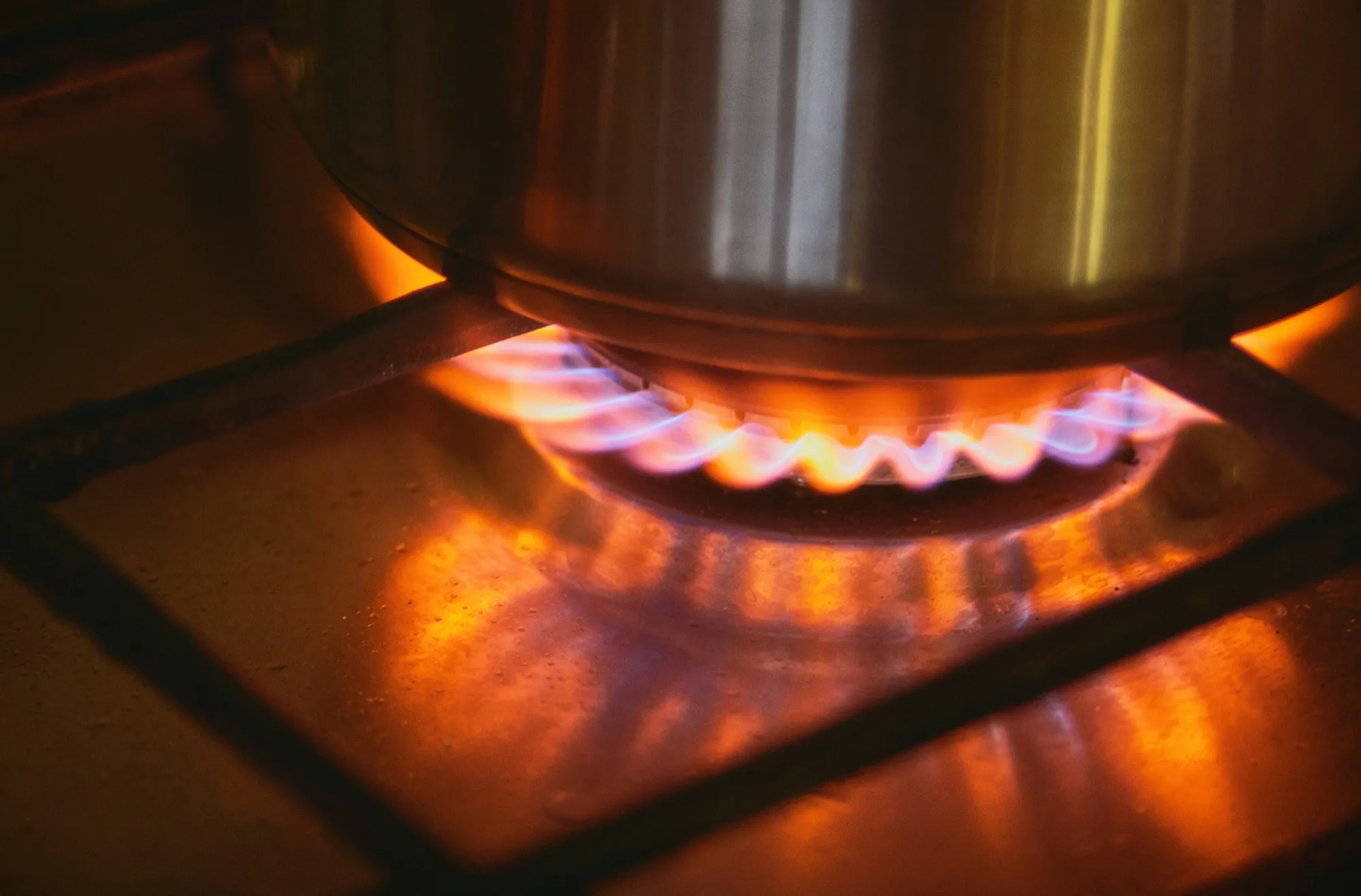
This guide is for landlords and property managers in Canada and the US. Most landlords should require tenant insurance, and in most places they can, as a term of the lease. A tenant policy covers what the landlord’s own insurance doesn’t: the tenant’s belongings, the cost of somewhere to stay while the home is repaired, and, most importantly for the landlord, liability if the tenant accidentally damages the building or someone else’s home. It usually costs a tenant a modest monthly amount, and it can save everyone a long and expensive argument after something goes wrong.
The clearest way to see why is to follow one ordinary accident through to the bills.
One kitchen fire
A tenant on the second floor of a fourplex leaves a pot of oil on the stove and steps away. It catches fire. They put it out, but not before it has burned the cabinets and the range hood, filled the unit with smoke, and the water from the fire department’s response has come through the ceiling of the unit below.
Nobody is hurt. The second floor unit needs about three months of repairs, and the tenant can’t live there in the meantime. The tenant below has a damaged ceiling and wet furniture.
Here is who pays for what, and from which policy.
| Cost | Who usually pays |
|---|---|
| Repairing the kitchen, ceilings and smoke damage in the building | The landlord’s policy |
| Rent lost while the unit can’t be lived in | The landlord’s policy, if it includes loss of rent |
| The upstairs tenant’s damaged belongings and clothes | The upstairs tenant’s own policy |
| Where the upstairs tenant stays for three months | The upstairs tenant’s own policy |
| The downstairs tenant’s wet furniture | The downstairs tenant’s own policy, and possibly the upstairs tenant’s liability coverage |
| The landlord’s deductible, and a claim against the tenant who caused it | The upstairs tenant’s liability coverage |
Two things stand out. The landlord’s policy covers the building, but not anyone’s belongings or temporary housing. And the costs that come back to the tenant who caused the fire, such as the landlord’s deductible or damage to a neighbour’s things, are only realistically paid if that tenant has liability coverage.
The same fire without tenant insurance
Now run it again, with neither tenant insured.
The landlord’s policy still repairs the building, minus the deductible. But the upstairs tenant has lost their belongings and has nowhere to live, and the downstairs tenant’s furniture is ruined. The downstairs tenant may look to the landlord or the upstairs tenant for the cost. The landlord may try to recover the deductible from the upstairs tenant, who has no insurance and may not be able to pay.
Nothing in the second version is unusual. It’s just slower, more stressful for everyone, and more likely to end up at a landlord tribunal or small claims court. That’s the practical case for requiring it.
What the landlord’s policy covers, and doesn’t
A landlord’s policy, sometimes called a rental dwelling or landlord policy, usually covers the building, the landlord’s own items like appliances they supply, the landlord’s liability, and often loss of rent while the home can’t be lived in. It doesn’t cover tenants’ belongings, their temporary housing, or their liability to others.
That gap is why some tenants assume they’re covered when they aren’t. It’s worth saying plainly at lease signing: the landlord’s insurance is for the building, not for what’s inside it.
What to ask for
If you require tenant insurance, make the requirement specific.
- Personal liability coverage of at least a set amount, often $1 million, which is common on standard tenant policies
- Proof of the policy before move-in, and again at each renewal
- If you’d like to know about a lapse, ask to be listed as an interested party, so the insurer tells you if the policy is cancelled
Put it in the lease. Ontario’s standard lease has its own section for whether the tenant must carry insurance, and BC and Alberta landlords can add it as a term of the agreement. Check the rules where your home is before relying on it.
When a tenant pushes back
Most tenants who don’t have insurance simply haven’t thought about it. Explaining the fire above, in a sentence or two, usually does it. Tenant policies tend to be inexpensive compared to rent, and the protection is mostly for them: their belongings, their temporary housing and their liability.
If a tenant still won’t get it, that’s a decision to make before the lease is signed, not after. Requiring it for everyone, and checking proof at move-in, keeps it simple and fair.
The short answer
Require it, in writing, with a minimum liability amount and proof at move-in and renewal. It protects the tenant’s belongings and housing, protects the landlord from costs the building policy doesn’t cover, and turns an accident like a kitchen fire from a long dispute into a few insurance claims.
General information, not legal advice. Rules change, so check the current rules where your homes are.